Noise creeps through apartment walls more easily than most people expect. Whether it’s hallway chatter, a neighbor’s TV, or the thump of footsteps above, unwanted sound can sap focus and make rooms feel less private. For many renters and homeowners, traditional construction isn’t an option, which is why soundproof temporary walls and acoustic room dividers have become such useful quiet space solutions.
These flexible systems offer a simple way to reshape a room and soften the noise that moves through it. They help create a calmer environment without renovations, contractors, or damage to the existing structure.
Older buildings and many modern city apartments share a familiar problem: thin walls. Sound slips through shared surfaces, open layouts spread noise across rooms, and everyday activity from neighbors gets amplified. Renters are often stuck with the original layout, which limits options for improving privacy or carving out quieter corners for work or sleep.
That’s where a non-permanent system makes a difference. Instead of altering the building, you bring in a solution that stands on its own.
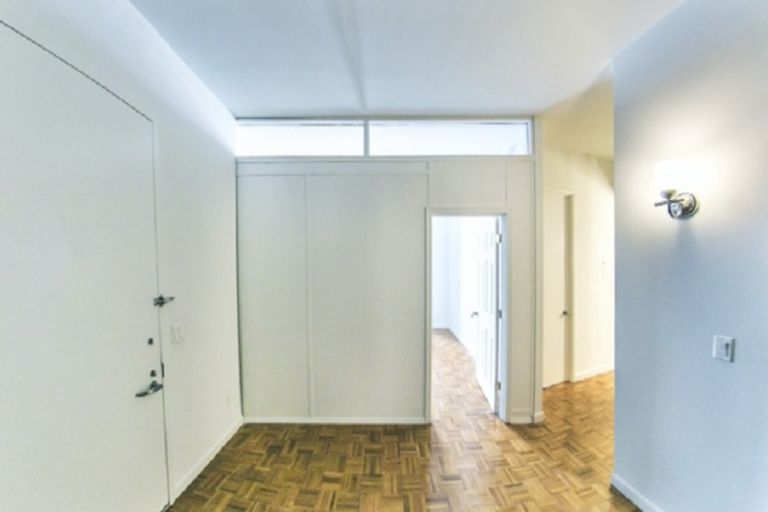
Soundproof temporary walls are movable partitions designed to add density and separation between spaces. They reach from floor to ceiling and rely on tight compression or secure framing to stay in place. These walls often use high-density cores, layered acoustic fillers, and surface finishes that help block and soften sound.
Acoustic room dividers sit in the same family but serve a slightly different job. They’re lighter and better suited for softening echo, shaping a room, or offering visual separation. Temporary walls focus more on sound control and privacy.
Good sound control comes from two things: blocking noise and absorbing it. Soundproof temporary walls aim to reduce noise transfer by adding mass and sealing gaps. The solid core slows vibrations before they pass through, which helps quiet a space.
At the same time, the wall’s surface material helps soften the echo inside a room. That makes conversations clearer, improves recordings, and reduces the sharp reflections that bounce between hard surfaces.
For apartments with open layouts or high ceilings, this added layer makes a noticeable difference.
The main reason people choose these walls is simple: a quieter room. Whether used between roommates, between a living room and a workspace, or between a bedroom and a noisy hallway, they help reduce noise passing through.
Creating a separate, peaceful corner inside a shared apartment is tough. A temporary wall gives you a sectioned-off area that feels like its own room.
These are non-permanent systems, so there’s no damage to ceilings or floors and nothing that violates lease agreements.
Need a new home office? A guest room? A quiet spot for studying? You can rearrange the space without rebuilding anything.
Hiring a contractor is expensive. Temporary walls give you the benefits of extra structure at a fraction of the price.
These walls give apartment dwellers the freedom to use their space in ways the original layout never allowed.
Both tools help with acoustics, but they work differently.
Acoustic room dividers lighten echo and make a space feel calmer. They’re great for reducing sharp reflections or separating areas visually.
Soundproof temporary walls offer stronger separation, both visually and acoustically. They’re better for blocking sound, improving privacy, and creating a more defined room.
Choosing between them depends on the goal. For echo control and soft division, go with a divider. For stronger privacy and noise reduction, choose a temporary wall.
When shopping for a soundproof partition, look for:
A well-built wall delivers better noise control and holds up longer.
These finishing touches help the wall do its job well.
Soundproof temporary walls and acoustic room dividers offer a practical way to calm an apartment and create private zones without permanent construction. They give renters and homeowners the freedom to shape their space and tame everyday noise. For anyone dealing with sound issues or simply wanting a quiet space solution, these flexible walls provide a simple path to better acoustics and better living
Learn how pressurized temporary walls were installed efficiently in NYC to create flexible workspace solutions without permanent construction.
Download Case StudyThey add dense layers and tight seals that slow sound vibrations before they pass through, which reduces noise moving between rooms.
They soften echo and lower some noise, but they don’t block sound the way full temporary walls do. They’re better for improving room acoustics than heavy sound isolation.
Most buildings allow non-permanent, pressure-fit walls because they don’t damage floors or ceilings. It’s still smart to check your lease or ask the building manager.
Mineral wool, dense foam panels, acoustic fabric, and layered composite boards do the best job of absorbing and softening sound.
Yes. Pressure-fit temporary walls, acoustic panels with removable adhesives, and freestanding dividers are designed to be installed and removed cleanly. Call @ Temporary walls
Contact Temporary Walls NYC for expert temporary wall solutions in New York City.
Call +1 (646) 494-5480